Structural Drying & Dehumidification in Peyton, CO
Surface-dry is not dry. The restoration crews use commercial air movers and dehumidifiers to dry walls, slabs, and framing to a verified standard, day or night.
(719) 824-2356Tap the 24/7 Peyton dispatch line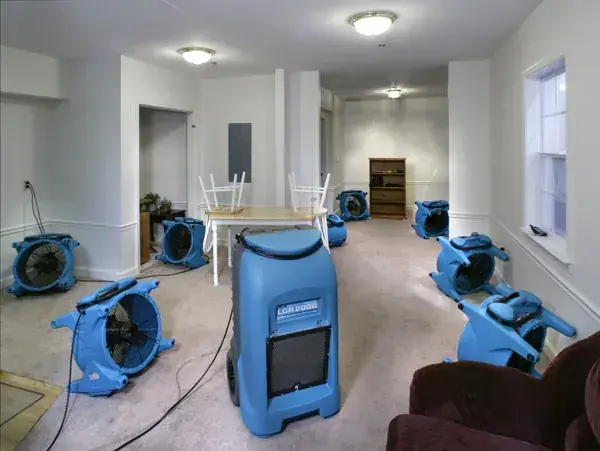
Why Peyton calls the local water damage pros for structural drying and dehumidification
Rapid local response
The response team answers 24/7, and the nearest crew heads out the moment you call, day or night, across Peyton, Falcon, and eastern El Paso County.
IICRC S500 drying standard
The crews carry pumps, air movers, and moisture meters, and dry to a verified reading, not a shop fan and a hope. IICRC S500 is the industry drying standard.
Claim-ready documentation
The loss is documented with photos and daily moisture readings, the paperwork an adjuster needs to move a claim. Coverage depends on your policy, so it is worth checking with your own insurer.
Built for the Palmer Divide
Deep freezes, ice dams, snowmelt, and hail. The local pros know how water moves in a high-plains Colorado home.
What to do while your home is drying
- 1
Leave the drying equipment running; do not shut it off to quiet the house.
- 2
Keep windows and exterior doors closed so the dehumidifiers can work.
- 3
Do not cover or move air movers set against wet walls.
- 4
Call the 24/7 line if you suspect a wall or floor is still wet under the surface.
What does structural drying cost in Peyton, CO?
In Peyton, CO, structural drying typically runs $1,500 to $6,000, depending on how much of the home is wet, the materials involved, and how many days of equipment it takes to reach a verified reading.
One area
- A room or two
- Standard air movers and a dehu
- 3 to 4 days of drying
Several rooms
- A floor or wet wall cavity
- More equipment, daily monitoring
- 4 to 6 days of drying
Dense materials
- Slab, plaster, or hardwood
- Specialty drying systems
- Extended monitoring
These are typical Peyton ranges, not a quote. For an exact number, try the Water Damage Cost Calculator, then call for a firm on-site estimate.
How the crews dry a Peyton home to a verified standard
Map the moisture
The crews measure the wet areas with meters and thermal imaging.
Set the equipment
The crews place the right air movers and dehumidifiers for the space.
Monitor daily
The crews take daily readings and adjust the drying plan.
Verify and finish
The crews confirm a documented dry target before pulling equipment.
Structural drying and dehumidification, explained
The most important part of any water loss happens after the water is gone. A floor can feel dry while the wall cavity, the subfloor, and the framing behind it are still soaked, and that trapped moisture is exactly where mold and warping start. The restoration crew dries the structure itself, not just the surface, with commercial air movers and low-grain refrigerant dehumidifiers, and the crews prove it is dry with meters before the crews finish.
Why surface-dry is not dry
Water hides where you cannot see or feel it:
- Inside wall cavities and behind baseboards
- In the subfloor and under the slab
- Soaked into framing, sill plates, and insulation
- Deep in plaster, hardwood, and dense materials
How the crews dry a Peyton home
Drying is a measured process, not a guess:
- Map the moisture with meters and thermal imaging
- Set the right number of air movers for the wet area
- Run low-grain dehumidifiers to pull moisture from the air
- Take daily readings and adjust until the structure hits a dry target
This is the drying stage that follows water extraction and every one of these water losses, from a burst pipe to a finished basement flood.
Not sure your home is really dry? Get a Peyton crew to measure it and dry it right.
Call (719) 824-2356Why proper drying matters most in a cold climate
A closed, cool Palmer Divide home in winter does not air-dry, and a damp cavity can grow mold within a day or two. The EPA guidance on drying wet materials guidance is clear that wet materials must be dried quickly and completely, and the IICRC standards define the target.
- Household fans move surface air but not deep moisture
- A wall that feels dry can hold enough moisture to grow mold
- Drying to a verified reading is what actually prevents mold
- The crews monitor daily rather than assuming it dried on its own
If it was not measured, it was not dried
Anyone can point a fan at a wet room. Drying to a documented, verified reading is the difference between a finished job and a mold call three weeks later.
From Peyton and Falcon across eastern El Paso County
The Peyton water damage pros answer 24/7 and cover every Peyton and Falcon ZIP, day or night.
The Peyton water damage line covers the whole Falcon area and eastern El Paso County, day or night, with rapid local response.
Coverage runs across Peyton, Falcon, Meridian Ranch, Woodmen Hills, Black Forest, Calhan, Ellicott, and the eastern El Paso County plains.
See every neighborhood and ZIP coveredRelated restoration services
Structural drying questions, answered
Water in your home right now?
Do not wait for the FAQ. A Peyton crew is standing by 24/7.
(719) 824-2356 Call the 24/7 lineHow long does structural drying take in Peyton?
Most homes dry in 3 to 5 days, though a saturated slab, plaster, or hardwood can take longer. A cool, closed winter home dries slowly, which is why the crews use commercial equipment and monitor daily readings.
Why can I not just use my own fans?
Household fans move surface air but do nothing for water trapped in a slab, framing, or a wall cavity. Commercial air movers plus dehumidifiers actually pull the moisture out so mold cannot start.
How do you know when it is really dry?
The crews take daily moisture readings with meters and only pull the equipment once the structure reaches a documented, safe dry target, not when it merely feels dry to the touch.
Will drying prevent mold?
Fast, complete drying to a verified reading is the single best way to prevent mold, because mold needs the trapped moisture that proper structural drying removes.
Is the drying equipment loud or disruptive?
Air movers and dehumidifiers do run continuously and make noise, which is normal and necessary. Stopping them early to quiet the house is the most common cause of a mold problem later.
Does insurance cover the drying?
Structural drying is a standard, documented part of a covered water loss on a Colorado policy. The crews record the readings and the equipment.
Water damage in Peyton? Call now.
Water sitting means damage spreading across the Falcon corridor. Call COS Restoration and the response team gets a crew moving, day or night.
(719) 824-2356Talk to a Palmer Divide water pro, 24/7